
Posted in Buyers

Homebuying Step 3 – Your Home Search Criteria

Know What You Need: Step 3 – Defining Your Home Search Criteria

Home Buying Series | Week 3 of 8 | January 2026

You’re pre-approved for your mortgage and have assembled your professional team. Now comes one of the most important steps in your homebuying journey: clearly defining what you’re looking for in a home. Creating a structured list of must-haves versus nice-to-haves will save you time, reduce stress, and help you make confident decisions when the right property becomes available.

Why a Home Search Checklist Matters

House hunting without clear criteria is like grocery shopping when hungry—you’ll be tempted by everything you see and likely make decisions you’ll regret later. A well-defined checklist provides focus, prevents emotional decision-making, and ensures you don’t waste time viewing properties that don’t meet your fundamental needs.

According to industry research, homebuyers typically view between 10 and 15 homes before making an offer. Without clear parameters, that number can increase significantly, leading to decision fatigue and confusion. A structured approach to defining your criteria helps you efficiently narrow options and identify the right home faster.

The 80/20 Rule: Finding a home that meets 100% of your wishlist is extremely rare. Real estate professionals use the 80/20 rule as a guideline—if a home has 80% of what you need and 20% of what you want, it’s likely worth serious consideration.

Understanding the Three Categories

Must-Haves: Non-Negotiable Features

Must-haves are the critical features you absolutely cannot live without. These are deal-breakers that, if absent, eliminate a property from consideration regardless of its other attributes. Must-haves typically involve features that would be impossible or extremely expensive to change.

Examples: Minimum number of bedrooms for your family size, location within specific school districts, single-family home versus condo, wheelchair accessibility requirements, specific commute distance to work, adequate parking for your vehicles.

Nice-to-Haves: Desirable But Optional

Nice-to-haves are features that would enhance your living experience but aren’t essential for day-to-day life. These are items you’re willing to compromise on, especially if they can be added or modified later. Nice-to-haves often involve aesthetics, upgrades, and amenities that add comfort or convenience.

Examples: Updated kitchen with modern appliances, hardwood floors throughout, finished basement, swimming pool, smart home technology, walk-in closets, fireplace, specific architectural style.

Don’t Cares: Irrelevant Features

Don’t cares are features that simply don’t matter to your lifestyle. Identifying these helps you avoid being distracted by irrelevant property characteristics during your search.

Examples: If you work from home, commute time doesn’t matter. If you don’t have vehicles, parking isn’t a concern. If you prefer low-maintenance living, extensive landscaping or large yards may be undesirable rather than appealing.

Key Categories to Consider

Location and Neighborhood

Location impacts not only your daily life but also your home’s future resale value. Consider proximity to work, schools, shopping, healthcare, and family. In Juneau County, buyers often choose between the amenities and tourism infrastructure of Wisconsin Dells versus the quieter, more affordable communities like Mauston, New Lisbon, or Necedah. Each offers distinct advantages depending on your lifestyle preferences.

Property Type and Size

Determine whether you prefer a single-family home, condominium, townhouse, or rural property. Consider square footage needs based on your household size and lifestyle. Remember that property type influences ongoing maintenance responsibilities and costs.

Bedrooms and Bathrooms

The number of bedrooms and bathrooms significantly impacts home functionality and value. Consider current needs plus future plans. Do you need a home office? Guest room? Space for growing children? A general guideline suggests one bathroom for every two bedrooms for comfortable living.

Condition and Age

Decide whether you prefer move-in ready homes or are willing to tackle renovations. Newer homes typically require less immediate maintenance but may cost more upfront. Older homes can offer character and affordability but may need updates to major systems like roofing, HVAC, plumbing, or electrical.

Outdoor Space

Consider yard size, landscaping maintenance, and outdoor living areas. Families with children or pets often prioritize fenced yards, while others may prefer low-maintenance landscaping or none at all.

Storage and Parking

Evaluate garage space, driveway parking, basement storage, and closet capacity. In Central Wisconsin, many buyers prioritize attached garages for winter weather protection and additional storage for recreational equipment.

Creating Your Personalized Checklist

Step 1: Start with a Brain Dump

List everything you want in a home without filtering or categorizing. Include features, locations, amenities, and any other considerations. Don’t hold back—this initial list captures your complete wish list before reality sets in.

Step 2: Evaluate Your Current Living Situation

What do you love about where you currently live? What drives you crazy? Past living experiences provide valuable insight into what truly matters to you versus what sounds good in theory. If your current kitchen layout frustrates you daily, prioritize a functional layout in your search.

Step 3: Consider Your Timeline

How long do you plan to live in your next home? Research shows that the typical homeowner stays in a single-family home for approximately nine years. If you’re buying a starter home with plans to upgrade in five years, your must-haves may differ from someone planning to stay long-term. Short-term buyers might accept a smaller home, while long-term buyers should consider future family growth.

Step 4: Assess Realistic Modification Potential

Can a want become a reality through renovation? Cosmetic updates like paint, flooring, and appliances are relatively simple and affordable to change. Structural modifications, room additions, or major system replacements are expensive and complex. Understanding what’s changeable helps you prioritize appropriately.

Step 5: Categorize and Prioritize

Go through your brain dump list and assign each item to must-have, nice-to-have, or don’t care categories. Then rank your must-haves in order of importance. This hierarchy becomes critical when evaluating properties and making compromises.

Step 6: Align with Budget Reality

Your pre-approval amount sets your maximum budget, but your must-haves must be realistic within that budget. Work with your real estate agent to understand what your budget buys in your desired Juneau County communities. You may need to adjust expectations based on current market conditions.

Expert Tip for Central Wisconsin Buyers

In rural Central Wisconsin communities like Elroy, Wonewoc, and Lyndon Station, buyers often find more square footage and land for their budget compared to Wisconsin Dells or Mauston. However, consider trade-offs like longer drives to shopping and services. Your must-have list should reflect what matters most for your daily lifestyle.

Working with Your Real Estate Agent

Your completed checklist is an invaluable tool for your real estate agent. Share your categorized list early in the process so your agent can set up targeted property searches that match your criteria. As you view homes, your priorities may shift—communicate these changes immediately so your agent can adjust the search accordingly.

An experienced local agent familiar with Juneau County markets can provide realistic feedback on your checklist, helping you understand what’s achievable within your budget and identifying potential compromises you may not have considered. Your agent becomes your partner in balancing your wish list with market reality.

When to Compromise and When to Stand Firm

Homebuying inherently involves compromise. Very few buyers find a home meeting every single criterion. Understanding when to be flexible and when to hold firm is crucial.

Stand Firm On: Safety concerns, major structural requirements, location within required school districts, accessibility needs, and features that would be prohibitively expensive to add or change.

Consider Compromising On: Cosmetic features like paint colors, flooring, and fixtures that can be updated affordably. Outdoor landscaping that can be modified over time. Appliance upgrades that can be made gradually. Minor layout preferences that don’t affect functionality.

Reassess Carefully: If a property lacks multiple must-haves, it’s likely not the right fit. However, if a home is perfect in nearly every way but lacks one must-have, consider whether that item could truly be a nice-to-have instead. Sometimes viewing actual properties helps clarify what’s genuinely essential versus what seemed important in theory.

Ready to Define Your Home Search Criteria?

Let’s work together to create a targeted home search strategy that matches your must-haves with available properties in Mauston, New Lisbon, Wisconsin Dells, and throughout Juneau County. With my local expertise and understanding of Central Wisconsin markets, I’ll help you find a home that truly fits your lifestyle and budget.

Contact Liz Walker Today

Next Week: Step 4 – Beginning Your Home Search and Attending Showings

© 2026 Liz Walker | RE/MAX Real Estate Professional

Proudly Serving: Mauston | New Lisbon | Necedah | Elroy | Wonewoc | Lyndon Station | Wisconsin Dells | Adams | Friendship | Tomah | Camp Douglas | Oakdale

Licensed Real Estate Agent in Wisconsin | Equal Housing Opportunity

Posted in Buyers

Homebuying Step 2 – Assemble Your Dream Team

Building Your Dream Team: Step 2 – Assembling Your Homebuying Professionals

Home Buying Series | Week 2 of 8 | January 2026

Last week, we discussed the importance of mortgage pre-approval as your first step toward homeownership. Now that you understand your budget and financing capability, it’s time to assemble your homebuying team. Purchasing a home is one of life’s largest financial transactions, and having the right professionals in your corner makes the difference between a smooth process and a stressful experience.

Why You Need a Professional Team

Buying a home involves complex legal documentation, financial decisions, property evaluations, and negotiations. While it’s possible to navigate some aspects independently, working with experienced professionals protects your interests, saves time, identifies potential issues early, and ultimately helps you make informed decisions throughout the process.

According to the National Association of Realtors, 87% of homebuyers who purchased in 2021 financed their home, and the overwhelming majority worked with real estate professionals to guide them through the transaction. The homebuying process has become increasingly complex, making professional guidance more valuable than ever.

Essential Team Members for Your Home Purchase

1. Real Estate Agent (Buyer’s Agent)

Role: Your real estate agent serves as your advocate throughout the entire homebuying journey. They provide market expertise specific to Juneau County communities like Mauston, Wisconsin Dells, and New Lisbon, helping you identify properties that match your needs and budget.

Key Responsibilities: Property search and showings, market analysis and pricing guidance, offer preparation and negotiation, coordination with other professionals, contract review and explanation, guidance through contingencies and deadlines, and support through closing and beyond.

Why It Matters: A skilled local agent knows neighborhood trends, school districts, property values, and can spot red flags that inexperienced buyers might miss. Their negotiation expertise can save you thousands of dollars and prevent costly mistakes.

2. Loan Officer / Mortgage Lender

Role: Your loan officer guides you through the mortgage application and approval process, helping you secure financing that fits your financial situation.

Key Responsibilities: Pre-approval and pre-qualification, mortgage product recommendations, rate shopping and loan comparison, application processing and documentation, communication with underwriters, loan approval and closing preparation.

Why It Matters: In today’s competitive market, a proactive loan officer works alongside your real estate agent to strengthen your offer, expedite approvals, and ensure smooth communication. The right loan officer goes beyond finding the best rate and strategizes to get your offer accepted.

3. Home Inspector

Role: The home inspector conducts a thorough evaluation of the property’s condition before you finalize your purchase.

Key Responsibilities: Comprehensive examination of structural elements, roofing, foundation, plumbing, electrical systems, HVAC systems, appliances, and potential safety hazards. The inspector provides a detailed report identifying necessary repairs and potential future maintenance needs.

Why It Matters: Home inspections are required by most mortgage lenders and protect buyers from unexpected repair costs. A thorough inspection can uncover issues ranging from minor maintenance needs to major structural problems, giving you negotiating power or the option to walk away if serious defects are discovered.

4. Home Appraiser

Role: The appraiser provides an independent, unbiased assessment of the home’s market value.

Key Responsibilities: Property evaluation based on comparable sales, condition assessment, market analysis, and preparation of a formal appraisal report for the lender.

Why It Matters: Lenders require appraisals to ensure they don’t loan more than the property is worth. If the appraisal comes in lower than your offer price, you may need to renegotiate with the seller, bring additional funds to closing, or in some cases, appeal the valuation. In Wisconsin, the lender selects and orders the appraiser to maintain independence and comply with federal regulations, though the buyer pays the appraisal fee as part of closing costs.

5. Title Company / Closing Agent

Role: The title company researches the property’s ownership history and facilitates the final transaction.

Key Responsibilities: Title search to verify clear ownership, identification of liens, easements, or encumbrances, provision of title insurance, coordination of closing documents, and facilitation of the final property transfer.

Why It Matters: Title insurance protects both you and the lender from legal issues related to property ownership, such as undisclosed liens, disputed boundaries, or fraudulent claims. In Wisconsin, the seller typically selects and pays for the title insurance company and closing services, though this can be negotiated as part of the purchase agreement. The closing agent ensures all paperwork is properly executed and funds are correctly distributed.

6. Homeowners Insurance Agent

Role: Your insurance agent helps you obtain the required homeowners insurance policy.

Key Responsibilities: Assessment of coverage needs, policy comparison and recommendations, quote preparation, and provision of insurance documentation to your lender for closing.

Why It Matters: Homeowners insurance is required by mortgage lenders to protect their investment and your property. Your agent ensures you have adequate coverage without being over-insured, balancing protection with affordability.

Pro Tip: While not legally required in Wisconsin, some buyers also work with real estate attorneys for complex transactions, estate sales, or additional legal protection. Discuss with your real estate agent whether an attorney would benefit your specific situation.

How to Select Your Team Members

Start with Referrals: Ask friends, family, and colleagues who recently purchased homes for recommendations. Personal experience from trusted sources provides valuable insight into professionalism, communication, and results.

Interview Multiple Candidates: Don’t commit to the first professional you meet. Interview at least two or three candidates for key positions where you have a choice, such as your real estate agent, loan officer, home inspector, and insurance agent. Ask about their experience in Juneau County markets, communication style, availability, and approach to client service.

Verify Credentials and Experience: Ensure professionals are properly licensed and insured. Check online reviews, professional associations, and disciplinary records. For home inspectors, confirm they’re certified and carry errors and omissions insurance.

Assess Local Expertise: For real estate agents and insurance providers, local market knowledge is essential. Someone familiar with Mauston, Necedah, Elroy, and surrounding communities understands regional pricing, neighborhood characteristics, and local regulations.

Evaluate Communication Style: Your team members should be responsive, clear communicators who explain complex concepts in understandable terms. You’ll work closely with these professionals for weeks or months, so compatibility matters.

Understanding Wisconsin Practices: Keep in mind that in Wisconsin real estate transactions, some team members are selected for you. Your lender will order the appraisal from an approved appraiser to maintain regulatory compliance, and the seller typically selects the title company, though this can sometimes be negotiated in the purchase agreement.

Understanding Professional Fees and Costs

Real Estate Agent: Buyer’s agent commissions are typically paid by the seller as part of the total commission structure, though this varies by transaction and recent industry changes.

Home Inspector: Expect to pay between 450 and 600 dollars for a standard home inspection in Central Wisconsin, based on the square footage of the home. Costs run higher when additional structures such as garages, sheds, or outbuildings are included in the inspection. As the buyer, you select and pay for your home inspector directly.

Appraiser: Appraisal fees typically range from 450 to 650 dollars and are paid by the buyer as part of closing costs. However, your lender will order the appraisal directly from their approved appraiser list to ensure independence and regulatory compliance.

Title Insurance and Closing Services: In Wisconsin, the seller typically pays for the title insurance policy and closing services, though this is negotiable within the purchase agreement. Costs vary based on purchase price and the specific title company selected.

Homeowners Insurance: You’ll pay for your homeowners insurance policy, with the first year’s premium typically due at closing. Shop multiple insurance agents to compare coverage options and rates.

Building Your Team in Juneau County

As your local RE/MAX RealPros agent, I work with a network of trusted professionals throughout Central Wisconsin. From experienced loan officers to thorough home inspectors, I can connect you with team members who share my commitment to exceptional service and client satisfaction.

Ready to Build Your Homebuying Team?

Let’s discuss assembling the right professionals to guide your home purchase in Mauston, Wisconsin Dells, New Lisbon, or surrounding Juneau County communities. I’m here to provide expert guidance and connect you with trusted local professionals.

Contact Liz Walker Today

Next Week: Step 3 – Identifying Your Home Search Criteria

© 2026 Liz Walker | RE/MAX Real Estate Professional

Proudly Serving: Mauston | New Lisbon | Necedah | Elroy | Wonewoc | Lyndon Station | Wisconsin Dells | Adams | Friendship | Tomah | Camp Douglas | Oakdale

Licensed Real Estate Agent in Wisconsin | Equal Housing Opportunity

Posted in Buyers, Sellers

Thinking About Making a Real Estate Move in Juneau County Right Now?

Liz Walker | Juneau County Real Estate Expert

What Would a Local Real Estate Professional Actually Do in This Market?

If you live in Juneau County, you already know our market doesn’t behave like Madison, Milwaukee, or what you see on national headlines. Homes here move differently. Inventory behaves differently. Buyers and sellers make decisions based on real life — not trends on TikTok or cable news.

Still, the uncertainty is real.

Whether you’re buying, selling, or staying put in New Lisbon, Mauston, Necedah, Elroy, Wonewoc, or Lyndon Station, it’s normal to wonder if now is the right time to make a move.

Most people don’t buy or sell property often. And when they do, the stakes feel high — especially in a market where interest rates, affordability, and inventory are all part of the conversation.

One question comes up again and again:

What would a local real estate professional actually do in this market?

Not in theory. Not based on national advice. But based on how real estate actually works here in Juneau County.

This guide breaks that down.

If I Were Buying a Home in Juneau County Right Now

Buying a home in Juneau County comes with unique considerations. We don’t have endless new construction. Many homes are older. Inventory varies wildly by town, neighborhood, and even by street.

Here’s how I’d approach buying locally right now.

Location Matters — Even More in Small-Town Markets

In Juneau County, location isn’t just about the city name — it’s about the street, the lot, and the surroundings.

When evaluating homes in places like New Lisbon, Elroy, or Wonewoc, I’d pay close attention to things that don’t show up in listing photos: proximity to highways or rail lines, traffic flow, neighboring properties, floodplain considerations, and how the home fits into the immediate area.

You can update kitchens. You can replace flooring. You can’t move the house.

A solid location in Mauston or a well-positioned property in Necedah will hold value far better long-term than a fully renovated home in a compromised spot.

Financing Strength Matters in Our Local Market

In Juneau County, sellers care deeply about certainty. A strong offer isn’t just about price — it’s about confidence that the deal will close.

That’s why lender choice matters. I’d want a lender who understands rural appraisals, well and septic systems, older housing stock, and local timelines. Missed deadlines or appraisal issues can derail deals quickly in smaller markets.

A well-prepared buyer with a reliable lender often beats a higher offer that feels risky.

Trying to Time Rates Can Backfire Locally

Many buyers are waiting for rates to drop — and when they do, competition here will increase. That’s especially true in affordable price ranges common in Juneau County.

Lower rates often bring more buyers into the market, which can push prices up and reduce negotiating power. The difference in monthly payment between waiting and acting now is often smaller than people expect.

Personally my husband and I have refinanced our mortgage several times in order to take advantage of a lower interest rate. We purchased our first home with a 9% rate then a couple years later rates dropped to 7%. Our current home was initially at a 6.5% rate and over the last 20 years we’ve managed to refinance that down below 3%. The point is don’t wait for the low rate to buy, rather buy now and refinance if the rates fall by at least a percentage point.

If the home fits your budget, lifestyle, and long-term plans, waiting for perfect conditions can mean missing the right opportunity.

Buyer Takeaway (Juneau County Edition)

I wouldn’t wait for a “perfect” market. I’d stay ready and act when the right home, in the right location, at the right price shows up.

If I Were Selling a Home in Juneau County Right Now

Selling in Juneau County requires a different mindset than larger metro areas. Buyers here are practical, informed, and cautious — but they are absolutely active.

Strategic Pricing Creates Momentum

Overpricing is especially damaging in smaller markets. When a home sits too long in New Lisbon or Lyndon Station, buyers notice — and they start asking why.

Pricing slightly below market value can bring in more qualified buyers, create urgency, and sometimes generate multiple offers. Momentum matters, even here.

Homes that launch correctly often outperform homes that chase the market downward.

Preparation Still Wins — Even Outside Spring

Serious buyers don’t shop based on seasons alone. Job changes, family needs, and life events happen year-round.

If I were selling, I’d treat it like peak season: create curb appeal, a clean and well-presented home, and addressing known issues upfront. In older housing markets like ours, pre-listing inspections can be especially powerful in building buyer confidence.

Prepared homes stand out — and they sell stronger.

Personal Timing Beats Market Headlines

Whether you’re upsizing, downsizing, relocating, or simplifying life, your timeline matters more than headlines.

A well-prepared home in Juneau County can sell successfully in any season when pricing and strategy align. Waiting isn’t always safer — especially if you’re already ready.

Seller Takeaway (Juneau County Edition)

I wouldn’t try to time the market. I’d prepare for it, price smart, and move forward when it makes sense for my life.

If I Were a Homeowner in Juneau County Right Now

Homeownership here often means older homes, ongoing maintenance, and long-term planning.

Protect the Structure First

Roofing, siding, drainage, HVAC, plumbing, and foundation issues should come before cosmetic updates. In our climate, deferred maintenance can turn into expensive problems fast.

Not everything needs to be fixed immediately — but priorities matter.

Stay Informed on Value and Equity

I’d keep track of recent sales in my area — not for comparison, but for awareness. Knowing your home’s value helps with refinancing, planning renovations, or preparing for future moves.

Home equity is a tool — but only if you understand it.

Treat the Home Like an Asset

Insurance coverage, property tax accuracy, homestead exemptions, and maintenance records all matter. Being proactive gives homeowners flexibility if life changes quickly.

Homeowner Takeaway (Juneau County Edition)

I’d treat my home like a long-term asset — one that benefits from planning, care, and attention.

Final Thoughts: A Juneau County Real Estate Reality Check

Real estate decisions don’t need to feel overwhelming — but they do need to be grounded in reality.

Juneau County isn’t driven by national trends alone. It’s driven by people, timing, preparation, and local knowledge. Whether you’re buying, selling, renting, or staying put, the smartest decisions come from clarity — not noise.

This is how I’d approach the market right now, right here.

And if you ever want to talk through your options — based on your town, your timeline, and your goals — that’s a conversation worth having.

Ready to Talk Real Estate?

Serving Mauston, New Lisbon, Necedah, Elroy, Wonewoc, Lyndon Station, Wisconsin Dells, Adams, Friendship, Tomah, Camp Douglas, and Oakdale

Contact Liz Walker | RE/MAX

© 2026 Liz Walker | RE/MAX | Juneau County Real Estate Expert

Mauston | New Lisbon | Necedah | Elroy | Wonewoc | Lyndon Station | Wisconsin Dells | Adams | Friendship | Tomah | Camp Douglas | Oakdale

Posted in Buyers

Homebuying Step 1 – Where to Start

New Year, New Home: Step 1 – Getting Pre-Approved for Your Mortgage

Home Buying Series | Week 1 of 8 | January 2026

Welcome to 2026! If homeownership is on your resolution list this year, now is an excellent time to refresh your home search and take action. With favorable market conditions emerging, the first step to turning your homeownership dreams into reality starts with mortgage pre-approval.

Current Market Update

30-Year Fixed Mortgage Rate: 6.15%

Rates have declined steadily through late 2025, reaching their lowest point of the year. This represents a significant improvement from over 7% earlier in 2025 and creates favorable conditions as we enter 2026.

Why Mortgage Pre-Approval Should Be Your First Step

Before you start browsing listings in Mauston, New Lisbon, Wisconsin Dells, or surrounding Juneau County communities, getting pre-approved for a mortgage is the critical first step in your homebuying journey. Unlike casual browsing, pre-approval transforms you from a window shopper into a serious buyer with verified purchasing power.

Mortgage pre-approval involves a lender conducting an in-depth review of your financial profile including income verification, asset documentation, debt analysis, and a credit check. The result is a conditional approval letter stating the maximum loan amount you qualify for based on current lending standards.

The Key Benefits of Getting Pre-Approved

1. Know Your True Budget

Pre-approval provides you with an accurate picture of how much home you can afford, eliminating wasted time looking at properties outside your price range. Your lender reviews verified income and assets to determine your maximum loan amount, allowing you to focus your search on homes within your financial capabilities.

2. Strengthen Your Offer

In competitive markets across Wisconsin, sellers receive multiple offers. A pre-approval letter demonstrates you’re a qualified buyer whose financing won’t fall through, making your offer significantly more attractive. Sellers and listing agents prioritize pre-approved buyers because they represent lower risk and faster closings.

3. Faster Closing Process

With much of your financial documentation already verified and on file with your lender, the path from accepted offer to closing is streamlined. Pre-approval can reduce the typical closing timeline by having preliminary underwriting already complete.

4. Identify Issues Early

Pre-approval reveals potential obstacles before you fall in love with a property. If credit issues, debt-to-income ratio concerns, or documentation gaps exist, you can address them proactively rather than discovering problems after finding your dream home.

5. Enhanced Negotiating Power

Armed with a pre-approval letter, you negotiate from a position of strength. Sellers may be more willing to negotiate on price, closing costs, or contingencies when they know you’re a serious, qualified buyer ready to proceed.

Important Note: Pre-approval letters typically remain valid for 60-90 days. Apply for pre-approval when you’re genuinely ready to begin actively searching for homes and making offers.

What Lenders Evaluate During Pre-Approval

Understanding what lenders assess helps you prepare. The three primary factors examined during pre-approval are:

Credit Score: Your credit score demonstrates your history of managing debt responsibly. While minimum scores for conventional mortgages typically start around 620, higher scores unlock better interest rates and more favorable terms.

Income and Employment: Lenders verify your gross income and employment stability through pay stubs, W-2 forms, and tax returns. They want assurance you have consistent income to support monthly mortgage payments.

Debt-to-Income Ratio (DTI): Your DTI compares monthly debt obligations to gross monthly income. Lenders generally prefer your housing payment not exceed 28% of gross income, with total debt not exceeding 36-43% depending on the loan program.

Taking Advantage of Current Market Conditions

With mortgage rates approaching 6.15%, we’re seeing some of the most favorable borrowing conditions in over a year. The Federal Reserve has implemented rate cuts in 2025, and while rates remain higher than the historic lows of 2020-2021, they’ve improved significantly from the 7%+ rates that dominated much of 2024 and early 2025.

For buyers in Juneau County markets like Mauston, Necedah, Elroy, and Wonewoc, improved affordability combined with steady inventory levels creates opportunity. Getting pre-approved now positions you to act quickly when the right property becomes available.

Ready to Start Your Homebuying Journey?

As your local Juneau County real estate expert, I’m here to guide you through every step of the homebuying process. Let’s connect to discuss mortgage pre-approval, local market conditions, and finding your perfect home in Central Wisconsin.

Contact Liz Walker Today

Next Week: Step 2 – Assembling Your Homebuying Team

© 2026 Liz Walker | RE/MAX Real Estate Professional

Proudly Serving: Mauston | New Lisbon | Necedah | Elroy | Wonewoc | Lyndon Station | Wisconsin Dells | Adams | Friendship | Tomah | Camp Douglas | Oakdale

Licensed Real Estate Agent in Wisconsin | Equal Housing Opportunity

Posted in Buyers, Homeowners, Sellers

Waiting on the Real Estate Market in Juneau County? Here’s the Smart Way to Handle It

“Should I wait?”

That question comes up constantly in conversations I have with buyers, sellers, renters, and homeowners throughout Mauston, New Lisbon, Necedah, Elroy, Lyndon Station, and Wonewoc. And given today’s market, it’s a completely reasonable question.

Interest rates are higher than many people expected. Home prices haven’t dropped the way headlines once predicted. Inventory varies wildly depending on price point and location. Add in nonstop national news, and it’s no wonder people feel stuck.

What I see on the ground, though, is not disinterest — it’s uncertainty.

People aren’t disengaged from real estate. They’re cautious. And that’s not a bad thing. But waiting without a plan is very different from waiting with intention.

Trying to perfectly time the real estate market rarely works. The people who come out ahead aren’t guessing when to jump in — they’re preparing so they’re ready when the opportunity makes sense for them.

No matter where you are in the process, there are productive steps you can take right now. Even if you’re not moving this month or even this year, what you do during this “pause” still matters.


Buyers: How to Use the Waiting Period to Your Advantage

If you’re thinking about buying a home in Juneau or Monroe County, hesitation makes sense. Higher interest rates affect monthly payments, and competition hasn’t disappeared entirely — especially for well-priced homes in desirable areas.

But here’s what I see consistently: the buyers who succeed are rarely the ones rushing. They’re the ones who prepared early.

Strengthen Your Financial Foundation First

Before showings, before offers, before emotional decisions — the most impactful work happens behind the scenes.

This is the time to focus on:

  • Improving your credit score
  • Paying down revolving debt
  • Building reserves for down payment, closing costs, and emergencies

Even small improvements can affect interest rates, loan options, and overall affordability.

Many people don’t realize they can track their credit score for free through major banks and credit card companies. You’re also entitled to free annual credit reports from Equifax, Experian, and TransUnion through AnnualCreditReport.com. Reviewing those reports now can prevent last-minute surprises later.

Learn the Local Market — Not Just the Listings

Scrolling listings online doesn’t tell you what’s actually happening.

Understanding the local market means knowing:

  • What homes are selling for, not just listed at
  • How long homes are staying on the market
  • Which neighborhoods move quickly — and which don’t
  • Common inspection issues in older homes

Some of the most confident buyers I’ve worked with started learning the market months — sometimes years — before they bought. That education paid off when it was time to act.

A good Realtor doesn’t rush you. They explain, analyze, and help you understand the data so you can make informed decisions at your own pace.

Talk to a Lender Without Pressure

One of the biggest mistakes buyers make is waiting too long to speak with a lender because they’re afraid of being pushed into something they’re not ready for.

A good lender won’t push. They’ll educate.

Now is the time to compare loan programs, understand how down payment amounts affect payments, and learn about Wisconsin buyer assistance programs. Clarity now gives you confidence later.

Buyer takeaway:
Waiting doesn’t mean falling behind. Buyers who use this time to strengthen their finances and understand the local market move with confidence — and often negotiate from a stronger position.


Sellers: Preparation Is Where Strong Sales Begin

Many homeowners thinking about selling in Mauston, New Lisbon, Elroy, or surrounding rural areas are asking the same question: Should I list now or wait for better conditions?

Here’s the truth: the strongest sales don’t start when the listing goes live. They start months earlier.

Focus on High-Return Improvements

Not every update needs to be expensive. In our local market, buyers respond strongly to clean, well-maintained homes.

Simple improvements like:

  • Fresh paint
  • Updated light fixtures or hardware
  • Clean floors and windows
  • Strong curb appeal

can make a noticeable difference in how quickly a home sells and how strong the offers are.

Keep documentation of upgrades. Buyers — and appraisers — notice.

Declutter and Pre-Pack Early

Waiting until the last minute to declutter creates stress and rushed decisions.

Starting early allows you to:

  • Reduce visual clutter
  • Make rooms feel larger and brighter
  • Photograph better for listings
  • Simplify your eventual move

Homes that feel spacious and neutral connect more easily with buyers.

Plan Your Next Move Before You List

One of the biggest reasons sellers hesitate right now isn’t the sale — it’s what comes after.

The good news is that there are more options than many people realize, including rent-backs, contingent purchases, short-term rentals, and bridge financing. Talking through these strategies early creates flexibility later.

Seller takeaway:
Preparation creates leverage. Homes that are clean, updated, and strategically planned don’t just sell faster — they sell stronger.


Renters: Flexibility Is a Tool — Use It Well

Renting in Juneau County isn’t a mistake or a placeholder. For many people, it’s the right choice — either temporarily or long-term.

Negotiate Your Lease

Lease terms are not always set in stone. If your renewal is coming up, research local availability. You may be able to negotiate rent, deposits, utilities, or lease length.

Start conversations early — ideally 60–90 days before renewal.

Budget Like a Buyer

If buying might be in your future, now is the time to test your comfort level. Try setting aside what a mortgage payment would be each month and see how it feels.

That exercise builds both savings and confidence.

Test Neighborhoods Before You Commit

Renting allows you to live in different areas without long-term commitment. Pay attention to daily life — traffic, noise, amenities, and community feel.

That lived experience is invaluable when deciding whether to buy later.

Renter takeaway:
Renting isn’t waiting. It’s positioning. Used intentionally, it builds clarity and financial readiness.


Homeowners: Stay Ready Even If You’re Staying Put

If you already own a home in Juneau or Adams County, this market might have you quietly wondering whether you should at least be prepared for change.

Get a Market Snapshot

Even if you’re not selling, knowing your home’s value matters. A local Comparative Market Analysis shows how your property compares to recent sales and current listings.

I also provide ZIP-code-specific market updates so homeowners can track trends without pressure.

Time Your Life — Not Just the Market

Interest rates and values matter, but lifestyle changes often matter more. Job changes, family needs, and long-term goals are valid reasons to reassess housing decisions — regardless of market headlines.

Build an Exit Strategy Early

Understanding your options before you need them reduces stress and increases flexibility. Exploring neighborhoods, attending open houses, and discussing future scenarios now makes later decisions easier.

Homeowner takeaway:
Prepared homeowners move with confidence. The market will shift — being ready matters more than reacting.


Final Thoughts: Waiting With Purpose Changes Everything

Waiting doesn’t mean you’re inactive. It means you’re deciding how intentional you want to be.

Whether you’re buying, selling, renting, or staying put in Mauston, New Lisbon, Necedah, Elroy, Lyndon Station, or Wonewoc, there are smart steps you can take right now to strengthen your position.

Perfect timing is luck.
Preparation is strategy.

And in a local market like Juneau County, informed decisions always outperform national noise.

If you want hyper-local market data, a no-pressure home value review, or ongoing ZIP-code-specific insights, that’s exactly where I focus — grounded in what’s actually happening here.

You don’t need to know your next step yet.
You just need to be ready when it shows up.

Posted in Uncategorized

The Stuff No One Tells You Until You’ve Lived It

Real estate comes with all kinds of surprises — even when you swear you’ve done everything right. Everyone’s heard the stories: the friend who regretted their agent choice, the contractor who left someone hanging mid-project, the “dream home” that came with a few realities no one warned them about.

You take notes, you ask questions, you try to learn from other people’s mistakes. But sooner or later, something pops up that makes you say, “Seriously… why did NO ONE tell me this?”

The truth? Real estate is layered. Whether you’re buying, selling, renting, or fixing up the place you already own, there are details you only learn once you’re in the thick of it. You can’t avoid every surprise — but the major regrets? Those are almost always preventable when you know what to look out for.

This is the stuff people usually figure out too late. Let’s get ahead of it.


BUYERS

What Buyers Always Wish They’d Known Sooner

Anyone who’s bought a home will eventually confess something like, “We love it now, but I wish we had… insert hard-earned lesson here.”

Maybe they didn’t ask enough questions. Maybe they stretched their budget too tight. Maybe they were dazzled by a pretty kitchen and forgot to check what the neighborhood is like before school drop-off.

Buying a home is exciting, but it’s also emotional and fast. If you want to dodge the classic regrets, here’s where to start:

1. Your heart can pick the home — but your brain should handle the contract.

Falling in love with a house is normal. But emotion alone will talk you into ignoring red flags like aging roofs, loud neighbors, or expensive repairs.

The goal isn’t to shut down your gut feeling — just pair it with logic, data, and a willingness to walk away if something doesn’t line up.

2. You’re not just buying the house — you’re buying the entire life around it.

Most people tour the home and forget to tour the area.
And honestly? The area impacts your daily life 10x more than the countertops ever will.

Visit at different times of day. Drive the commute. Check noise, lighting, traffic, parking, and amenities. Make sure the life that comes with the home fits you.

3. Your real budget isn’t the lender’s number.

A pre-approval shows what a bank is comfortable lending — not what actually works for your lifestyle.
Once you add taxes, insurance, utilities, repairs, furniture, and “wow, this doesn’t fit the new house” purchases, the top of your pre-approval often feels tight.

Many buyers end up happier when they buy a little below their max. It leaves room to breathe — and to improve the home over time.

Buyer Takeaway:

The best decisions happen when your emotions and your strategy work together. Stay curious, ask more questions than you think you need to, and take your time. A confident “yes” beats a rushed regret every single time.


SELLERS

Regrets Sellers Share — And How To Avoid Them

Selling a home digs up its own set of “ugh, I wish we hadn’t done that” moments. The market changes constantly, and unless you sell often, it’s easy to miss major shifts in pricing, prep work, or buyer expectations.

Here’s where sellers usually stumble:

1. Overpricing upfront usually backfires.

Sellers often overvalue their home because they’re attached to it — or they’re watching list prices instead of actual sales data.

Overpricing leads to longer days on market, price drops, and buyers thinking something’s wrong with the property.

Strategic pricing isn’t underselling your home — it’s positioning it so it gets attention fast and builds competition.

2. Skipping prep work leaves real money on the table.

The “just list it and see what happens” approach is one of the fastest ways to lose buyer interest.
Fresh paint, minor repairs, deep cleaning, decluttering, staging — these steps can swing thousands of dollars in your favor.

Buyers decide how they feel about a home in the first few minutes. Make those minutes count.

3. Your agent matters — more than most people realize.

A skilled agent isn’t just unlocking doors. They’re running market analysis, tracking pricing shifts, catching red flags in offers, and negotiating hard on your behalf.

I’ve seen sellers assume their market was “hot” only to find out the high sales they were watching came after huge price cuts and concessions hidden under the surface. That’s the kind of nuance you don’t see on consumer sites — but it directly impacts your bottom line.

Seller Takeaway:

Successful sellers aren’t lucky — they’re strategic.
Price with data, prep intentionally, and work with someone who understands the market beyond the headlines.


RENTERS

Renting Seems Simple — Until It Isn’t

Renting feels low-pressure compared to owning, but renters deal with their own version of regrets — usually because they moved too fast or didn’t dig into the details.

Here’s what trips people up:

1. Reading the lease isn’t the same as understanding the lease.

The fine print covers things like rent increases, deposits, pets, guests, repairs, and early termination.
If you don’t fully understand what you’re signing, you could get burned later.

Ask questions. Get clarity. Don’t assume anything is “standard.”

2. The perfect place at the wrong time still ends up being the wrong place.

Renters often force a place to “make sense” even when it strains the budget or no longer fits their lifestyle. Flexibility is the whole point of renting — use it.

3. If you don’t document the condition, you’re risking your deposit.

Photos. Videos. Notes. Emails.
If you don’t record the condition when you move in, you might be blamed for damage that was already there.

Renter Takeaway:

Renting isn’t lower-stakes — it’s just different stakes. Be intentional, ask questions, and protect yourself with documentation.


HOMEOWNERS

The “No One Warned Me About That” Chapter of Homeownership

Even when everything looks good on inspection, surprises love to show up after closing.

Here’s where homeowners usually feel blindsided:

1. Small maintenance issues become big expenses if you ignore them.

Leaky pipes, clogged gutters, aging HVAC units — little things turn into big bills fast.
A basic seasonal checklist and a slush fund for repairs make a massive difference. Try saving 2% of the purchase price every year for those unsuspected pop up repairs.

2. The layout that looked amazing during showings might not work for real life.

That open floor plan? Great until someone’s on a Zoom call and someone else is making breakfast.
Sometimes the fix is simple — rearranging spaces, adding storage, or making small functional tweaks.

3. Owning a home doesn’t mean you can do anything you want with it.

Local zoning, setbacks, ordinances, and HOA rules all have a say.
Before you build a shed, add animals, rent the home short-term, or take down trees — check the rules. It can save you serious money and headaches.

Homeowner Takeaway:

Homeownership always comes with surprises, but being proactive reduces how often you get caught off guard.


THE BOTTOM LINE

Hindsight is helpful — but foresight is powerful.

Most real estate regrets come from not knowing the right questions to ask until it’s too late. If you stay curious, stay realistic, and stay informed, you’ll sidestep a lot of the stress that catches people off guard.

And that’s exactly why I share what I share — so you don’t have to learn the hard way.

Posted in Buyers, Homeowners, Sellers

Older Homes are the Norm in Juneau County – But are They Worth the Money?

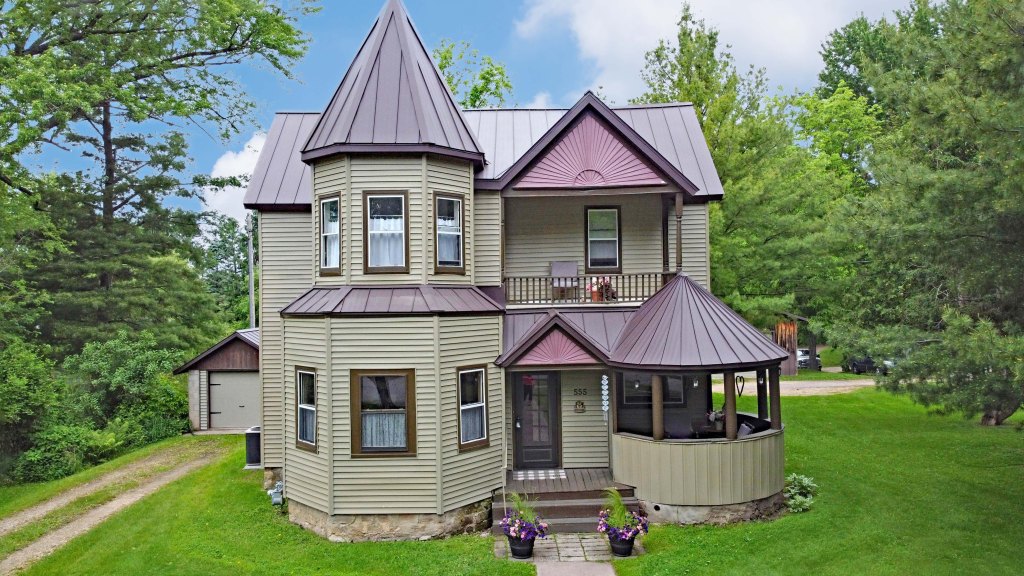
DCIM\101MEDIA\DJI_0056.JPG

Navigating Older Homes in Juneau County: A Real-World Guide for Buyers, Sellers, Renters, and Homeowners

Here’s the reality of living or moving in Juneau County, Wisconsin: most of our housing stock isn’t new construction. Homes in New Lisbon, Mauston, Elroy, Necedah, Wonewoc, and Lyndon Station were built decades ago, and they come with the charm, character, and quirks that older homes are known for. Whether you’re buying, selling, renting, or trying to keep your own property in one piece, the same question always rises to the surface: how much work is too much?

People who are shopping for homes around Mauston and New Lisbon quickly discover that the majority of available homes are resale properties with older roofs, older mechanicals, and systems built for a different time. Even long-term residents look around their place and wonder if it’s time to replace something, update something, or keep patching things together a little longer. Buying brand-new is out of reach for many households, so understanding older homes isn’t optional — it’s essential.

This guide breaks down everything you need to know about living with or investing in older homes in Juneau County. These aren’t theories. This is the real-life, boots-on-the-ground perspective from someone who’s walked buyers through hundreds of inspections, listed dozens of aging properties, and lived in a century old home myself.


For Buyers: Making Smart Decisions When the Homes You Can Afford Need Work

In today’s Wisconsin housing market, especially around Juneau County, “move-in ready” usually means expensive. This pushes most buyers into older resale homes, and that can feel overwhelming fast. Walking into a showing and seeing dated electrical panels, worn-out windows, or shingles that clearly won’t survive another winter raises legitimate questions.

Older homes aren’t automatically risky. What they require is clarity — knowing which issues matter and which ones don’t. Cosmetic work can wait. Structural or mechanical issues cannot. A home with an original 1970 furnace or questionable foundation work will demand a different level of attention than a home needing nothing more than fresh paint and new flooring.

This is where experienced guidance becomes non-negotiable. A seasoned agent who knows older homes can help you understand whether a crack in the basement is minor settling or something that deserves a second look. When I work with first-time homebuyers in New Lisbon, Mauston, or Elroy, I walk them through homes and point out possible repair before they ever write an offer. Seeing what might be written up in a home inspection report — without emotional attachment — makes the actual process far less intimidating.

The truth is that inspections should inform you, not terrify you. A fifty-page report on a 1960s home is normal. It’s about knowing how to read what is a defect versus a wear and tear repair and understanding what actually matters for safety, financing, and long-term cost.

Older homes demand both financial flexibility and emotional bandwidth. Before you fall in love with a place, be honest about what you can realistically handle. A charming older home can be a fantastic investment, but only when you walk in with your eyes wide open.


For Sellers: How to Successfully Sell an Older Home in Juneau County

If your home has been around for several decades, you’re in good company. The majority of sellers across Juneau County are listing older homes, and buyers expect it. What they don’t want is uncertainty. Today’s buyers are cautious because interest rates, renovation costs, and economic pressure have narrowed their margins.

That’s why getting ahead of the conversation is your best strategy. A pre-listing inspection is one of the smartest moves a seller of an older home can make. It gives you control of the narrative, prepares you for what buyers will see, and allows you to fix or disclose issues in a way that builds trust rather than suspicion. Why not remove the fear of the unknown and stress it might cause you before you even list your property?

Presentation matters, too. You don’t need to remodel your kitchen to sell. But if your home feels neglected, buyers will assume expensive problems are hiding behind cosmetic issues. Simple, cost-effective updates — fresh paint, clean windows, updated light fixtures, small landscaping improvements — send a strong message that the home is well cared for.

Older homes also come with features new construction can’t match: mature trees, hardwood floors, original craftsmanship, wide lots, or established neighborhoods. Highlight the emotional value and the lifestyle the home offers. At the same time, acknowledge the quirks honestly. Transparency sells. Surprises kill deals.

Homes in Juneau County do not need to be perfect to attract strong buyers. They simply need to be priced accurately, presented honestly, and marketed by someone who understands how to position an older home against newer competition.


For Renters: What to Watch For When Renting an Older Home

Renting older homes is common in places like New Lisbon, Mauston, and Necedah, where rental inventory tends to be decades old. These rentals often offer more space or better locations, but they can come with aging systems that need attention.

Before signing a lease, check the essentials: heating, cooling, plumbing, electrical safety, water pressure, and windows. Older rentals can look charming but still have serious functional issues. Ask direct questions about utility costs, maintenance routines, and the age of major systems.

Document everything with photos and video. A property that’s been lived in for fifty years will have wear and tear, and you should not be responsible for damage that existed before you moved in. Clear documentation protects your deposit and sets expectations from day one.

It’s also important to understand what the landlord is responsible for versus what falls on you. Many older rentals have gray areas when it comes to repairs, so clarity upfront prevents frustration later.

Renting an older home is completely manageable as long as you protect yourself, pay attention to the systems that matter, and communicate issues early.


For Homeowners: How to Live in an Older Home Without Getting Buried by Repairs

Owning an older home is a long-term relationship. Something will always be aging out, wearing down, or needing attention. But you don’t have to tackle everything at once, and you definitely don’t have to let the house run your life.

The smartest approach is preventative maintenance. Small, consistent care will outshine reactive repairs every time. Servicing your HVAC, cleaning gutters, flushing your water heater, and having the roof checked every few years can save you thousands.

When choosing what to update, focus on function over flash. Upgrading insulation, windows, plumbing, electrical systems, or roofing is far more valuable than cosmetic remodels. These functional improvements lower utility bills, reduce emergencies, and extend the lifespan of the home.

Create a long-term home maintenance plan that fits your budget. Map out the age of each system and decide what needs attention this year, what can wait, and what should be saved for over the next five years. Even setting aside a small home maintenance fund reduces the stress of inevitable repairs.

Living in an older home isn’t about chasing perfection. It’s about prioritizing what protects the property and your peace of mind.


The Bottom Line: Older Homes Are the Norm in Juneau County — And They’re Completely Manageable

Across Juneau County — from New Lisbon to Mauston, Elroy to Necedah — the vast majority of people are buying, selling, renting, or maintaining older homes. This isn’t a drawback. It’s simply the reality of our housing market.

Older homes come with history and character, but they also come with decisions that require clarity and planning. You don’t need a massive budget to handle them. You need awareness, realistic expectations, and the willingness to focus on the systems that matter most.

The people who thrive in older homes aren’t the ones doing everything at once. They’re the ones who understand what truly affects value, safety, and long-term comfort — and they move forward without panic.

A home’s age doesn’t define its worth. What matters is how well you evaluate it, maintain it, and prepare for the years ahead.

Posted in Uncategorized

Is a 50 Year Mortgage Worth It?

Here’s the Real Deal for Wisconsin Homebuyers

If you’ve been house-hunting anywhere in Juneau County — Mauston, New Lisbon, Necedah, Elroy — you’re probably noticing the same trend buyers everywhere are talking about: rising prices, rates that won’t quit, and lenders rolling out “creative” mortgage products to keep payments lower.

One of the newest buzzwords? 50-year mortgages.
Yep… lenders stretching the term way beyond the traditional 30-year just to make monthly payments more manageable.

But before you jump in, let’s break down what this actually means for you — the good, the bad, and the parts no one else is saying out loud.


🔥 The Pros of a 50-Year Mortgage

1. Lower Monthly Payments (the obvious perk)

Stretching your loan over 50 years drops your monthly payment. If you’re trying to get into a home near Castle Rock Lake, where vacation-area prices can run higher, this can be the difference between “we can swing it” and “no shot.”

2. Better Cash Flow for Your Life

Lower payments = extra bandwidth for things like:

  • Upgrading your place (new roof, insulation, windows — hello Wisconsin winters)
  • Paying down other debt
  • Building savings
  • Funding emergency repairs for septic, wells, or heating systems common in rural areas

3. Could Help First-Time Buyers Compete

When inventory is tight in towns like Mauston, Elroy, and Wonewoc, a 50-year term might make a higher-priced home achievable for buyers who are getting squeezed by interest rates.


⚠️ The Cons (you need to seriously think about these)

1. You’ll Pay Way More in Interest — Like… a lot more

A longer loan = more interest over the life of the mortgage. the total cost can be massive, like double the interest paid on a 30 year mortgage.
If you already feel “rate fatigue,” a 50-year mortgage magnifies it.

2. Slower Equity Building

In Juneau County, equity matters — especially if you ever want to upgrade, buy a lake property, or sell when the market shifts.
With a 50-year term, your equity grows at a snail’s pace here. 

3. Risk if Property Values Don’t Keep Up

If you buy in an area where prices rise slowly (think rural outskirts between Necedah and Elroy), you could be stuck underwater longer. 

4. Harder to Refinance Later

If rates drop and you want to refinance, you may not have built enough equity to make it worth it.

5. You Still Might Not Qualify

Not every lender may offer 50-year terms, and underwriting can be stricter. These products are still being discussed and not offered yet. They likely will come with higher interest rates or extra requirements.


So… Should You Consider a 50-Year Mortgage in Juneau County?

Here’s the truth:
A 50-year mortgage is a tool — not a magic hack.

It works best for buyers who:

  • Plan to stay in the home long-term
  • Need the lower monthly payment to stay comfortable
  • Understand what they’re actually paying over time
  • Expect income growth in the future
  • Are buying a property that historically appreciates (lake homes near Castle Rock? Probably yes. Middle-of-nowhere with no upgrades? Maybe not.)

It’s not ideal for buyers who:

  • Want to build equity quickly
  • Plan to flip, upgrade, or relocate in the next 5–10 years
  • Are stretching too far just to “make a payment work”
Posted in Uncategorized

How Falling Mortgage Rates Are Shifting the Seller’s Game in Central Wisconsin

(And what you – the homeowner – really should do now)

Let’s be real — the Wisconsin housing market is changing again, and this time, it’s in your favor if you move strategically. Here’s what’s actually happening right now.


1. The Current Market Snapshot

Let’s cut to it: the data says things are shifting.

  • Statewide: Home sales rose 8.1% in June 2025 compared to June 2024 — the first year-over-year gain in four years (WRA, WisPolitics).
  • Median Wisconsin home price: ~$340,000, up 4.6% YoY.
  • Inventory: 23,881 homes for sale statewide in August 2025 — up 3.2% from a year ago (Redfin).
  • Juneau County: Average home value $264,217 (↑ 6.1% YoY), but median sold price $226,250 (↓ 9.5% YoY).
  • New Lisbon: Average home value $303,278 (Zillow).

Mortgage rates have eased slightly (Churchill Mortgage), giving buyers more breathing room — and giving sellers a reason to make moves before winter hits.


2. What This Means for Sellers (Yes, That’s You)

Here’s the unfiltered truth: the playing field’s changing, and smart sellers will get ahead of it.

  • More buyers can afford now: A small rate drop means a noticeable boost in buyer affordability.
  • But competition’s creeping back: Inventory is ticking up — the “list and sell overnight” era is over.
  • The good news: Juneau County home values rose about 6% year-over-year.
  • The warning: Median sold prices are down almost 10% from last year — so keep expectations realistic.
  • Timing matters: Fall is when serious buyers make moves before snow flies. The Wisconsin fall market tends to balance out between buyers and sellers (Sold in Madison).

3. What This Means for Buyers

Buyers have a bit more leverage now — but they’re picky.

  • They’ll pay for turnkey homes, not “projects.”
  • They notice upgrades: modern kitchens, efficient HVAC, clean roofs, and tidy landscaping.
  • If your home feels neglected or overpriced, they’ll move on or ask for concessions.
    So don’t wing it. Prep with intention and make your property the one that stands out.

4. Smart Checklist for Sellers

Get a current market value or pricing consultation.
Use real comps, not Zillow guesses. Acreage, outbuildings, and condition all factor in.

Prep the home.

  • Declutter ruthlessly.
  • Curb appeal sells — trim, mulch, add fall color.
  • Check major systems (roof, HVAC, septic/well). Fix what’s needed.

List at the right time and price.

  • Inventory’s still low, but rising — price smart.
  • Aim for “competitive and strategic,” not wishful thinking.
  • Fall buyers want to close before the holidays.

Be ready to act fast.
Buyers move quicker when rates drop — so have inspections, disclosures, and paperwork lined up.

Show value.
Highlight what makes your property special — gardens, trails, workshops, or that sweet chicken coop you love.


5. Reality Check (Because I Don’t Sugar-Coat)

Rates are easing, but they’re still higher than the pandemic lows. Some buyers are stretched thin. That means:

  • You’ll likely negotiate — and that’s fine.
  • Overpricing will kill momentum.
  • Time on market = lost opportunity.

Bottom line: don’t bank on hype. Use this as a window of opportunity to move while buyers are active and before winter quiets the market.


6. Let’s Get Going

If you’re even thinking about selling, now’s the time to prep.

Here’s what I offer:

  • Free property valuation using current comps and your property’s unique features.
  • Custom marketing plan built around your home’s story — homestead vibe, acreage, trails, garden, and all.
  • Step-by-step timeline so your home doesn’t sit through the slow season.

Let’s make your move strategic — not rushed.

Posted in Uncategorized

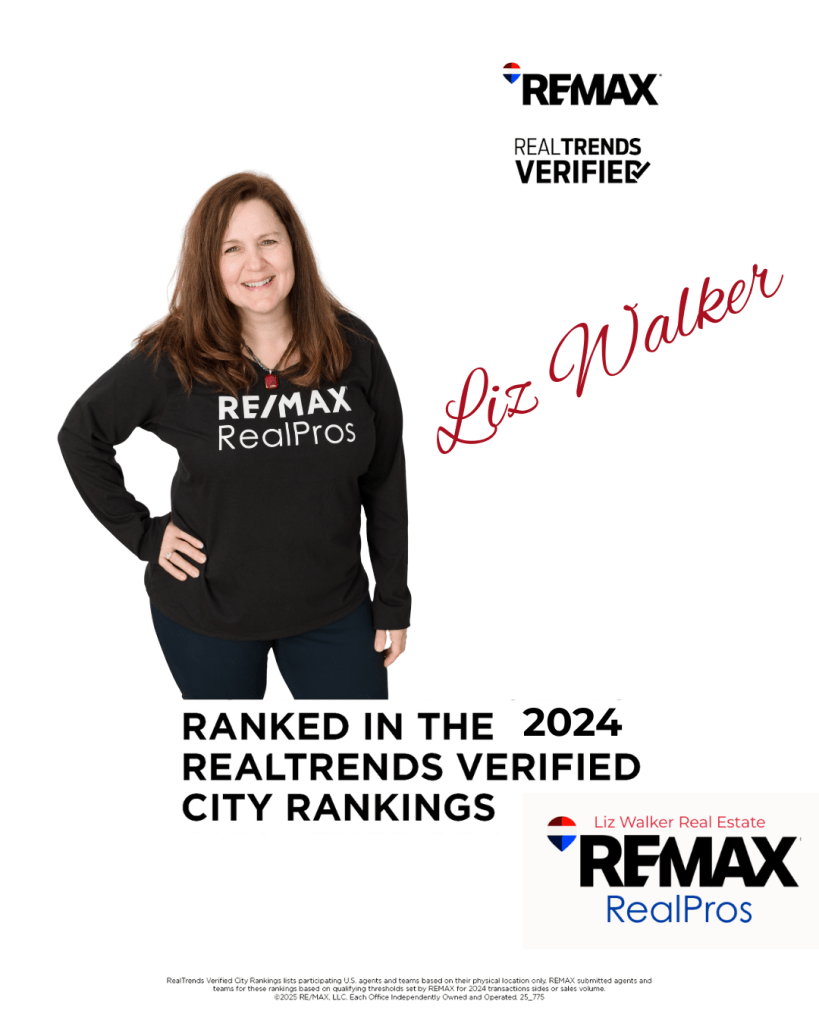
Liz Walker with REMAX RealPros Recognized in RealTrends Verified City Rankings

Mauston, WI — 2024 — Liz Walker, a real estate agent with REMAX RealPros, has been recognized in the first-ever RealTrends Verified City Rankings, which spotlight top-producing agents and teams based on their 2024 production levels and their office location.

Liz was featured as a top agent in the Mauston Area rankings for outstanding performance in residential real estate transactions.

“Being recognized as a top agent in Mauston is an honor,” said Liz. “Real estate is local and this recognition reflects the trust my clients place in me – right here in our community. I’m proud to represent REMAX RealPros and deliver results that make a difference.”

More than 16,000 agents and team leaders from REMAX® were included in the city rankings, more than any other real estate brand.1 REMAX leads the industry in brand awareness2 and is the most productive real estate network in the world.3 REMAX agents are voted the most trusted real estate agents in the U.S. year after year4.

1RealTrends Verified City Rankings lists participating U.S. agents and teams based on their physical location only. REMAX submitted agents and teams for these rankings based on qualifying thresholds set by REMAX for 2024 transactions sides or sales volume.

2MMR Strategy Group study of unaided awareness

3As measured by residential transaction sides.

4Voted most trusted Real Estate Agency brand by American shoppers based on the 2025 BrandSpark® American Trust Study.