

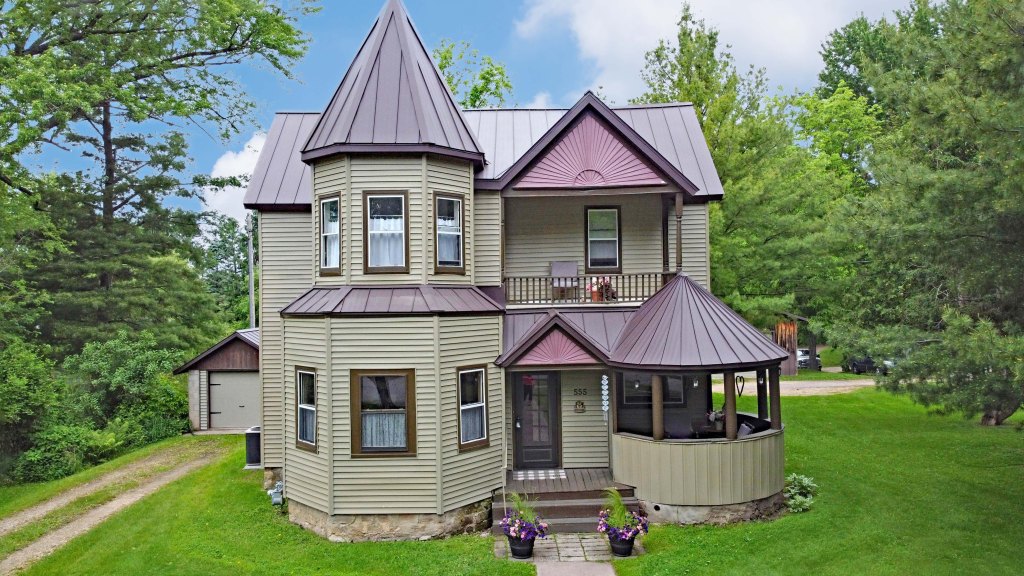
Navigating Older Homes in Juneau County: A Real-World Guide for Buyers, Sellers, Renters, and Homeowners
Here’s the reality of living or moving in Juneau County, Wisconsin: most of our housing stock isn’t new construction. Homes in New Lisbon, Mauston, Elroy, Necedah, Wonewoc, and Lyndon Station were built decades ago, and they come with the charm, character, and quirks that older homes are known for. Whether you’re buying, selling, renting, or trying to keep your own property in one piece, the same question always rises to the surface: how much work is too much?
People who are shopping for homes around Mauston and New Lisbon quickly discover that the majority of available homes are resale properties with older roofs, older mechanicals, and systems built for a different time. Even long-term residents look around their place and wonder if it’s time to replace something, update something, or keep patching things together a little longer. Buying brand-new is out of reach for many households, so understanding older homes isn’t optional — it’s essential.
This guide breaks down everything you need to know about living with or investing in older homes in Juneau County. These aren’t theories. This is the real-life, boots-on-the-ground perspective from someone who’s walked buyers through hundreds of inspections, listed dozens of aging properties, and lived in a century old home myself.
For Buyers: Making Smart Decisions When the Homes You Can Afford Need Work
In today’s Wisconsin housing market, especially around Juneau County, “move-in ready” usually means expensive. This pushes most buyers into older resale homes, and that can feel overwhelming fast. Walking into a showing and seeing dated electrical panels, worn-out windows, or shingles that clearly won’t survive another winter raises legitimate questions.
Older homes aren’t automatically risky. What they require is clarity — knowing which issues matter and which ones don’t. Cosmetic work can wait. Structural or mechanical issues cannot. A home with an original 1970 furnace or questionable foundation work will demand a different level of attention than a home needing nothing more than fresh paint and new flooring.
This is where experienced guidance becomes non-negotiable. A seasoned agent who knows older homes can help you understand whether a crack in the basement is minor settling or something that deserves a second look. When I work with first-time homebuyers in New Lisbon, Mauston, or Elroy, I walk them through homes and point out possible repair before they ever write an offer. Seeing what might be written up in a home inspection report — without emotional attachment — makes the actual process far less intimidating.
The truth is that inspections should inform you, not terrify you. A fifty-page report on a 1960s home is normal. It’s about knowing how to read what is a defect versus a wear and tear repair and understanding what actually matters for safety, financing, and long-term cost.
Older homes demand both financial flexibility and emotional bandwidth. Before you fall in love with a place, be honest about what you can realistically handle. A charming older home can be a fantastic investment, but only when you walk in with your eyes wide open.
For Sellers: How to Successfully Sell an Older Home in Juneau County
If your home has been around for several decades, you’re in good company. The majority of sellers across Juneau County are listing older homes, and buyers expect it. What they don’t want is uncertainty. Today’s buyers are cautious because interest rates, renovation costs, and economic pressure have narrowed their margins.
That’s why getting ahead of the conversation is your best strategy. A pre-listing inspection is one of the smartest moves a seller of an older home can make. It gives you control of the narrative, prepares you for what buyers will see, and allows you to fix or disclose issues in a way that builds trust rather than suspicion. Why not remove the fear of the unknown and stress it might cause you before you even list your property?
Presentation matters, too. You don’t need to remodel your kitchen to sell. But if your home feels neglected, buyers will assume expensive problems are hiding behind cosmetic issues. Simple, cost-effective updates — fresh paint, clean windows, updated light fixtures, small landscaping improvements — send a strong message that the home is well cared for.
Older homes also come with features new construction can’t match: mature trees, hardwood floors, original craftsmanship, wide lots, or established neighborhoods. Highlight the emotional value and the lifestyle the home offers. At the same time, acknowledge the quirks honestly. Transparency sells. Surprises kill deals.
Homes in Juneau County do not need to be perfect to attract strong buyers. They simply need to be priced accurately, presented honestly, and marketed by someone who understands how to position an older home against newer competition.
For Renters: What to Watch For When Renting an Older Home
Renting older homes is common in places like New Lisbon, Mauston, and Necedah, where rental inventory tends to be decades old. These rentals often offer more space or better locations, but they can come with aging systems that need attention.
Before signing a lease, check the essentials: heating, cooling, plumbing, electrical safety, water pressure, and windows. Older rentals can look charming but still have serious functional issues. Ask direct questions about utility costs, maintenance routines, and the age of major systems.
Document everything with photos and video. A property that’s been lived in for fifty years will have wear and tear, and you should not be responsible for damage that existed before you moved in. Clear documentation protects your deposit and sets expectations from day one.
It’s also important to understand what the landlord is responsible for versus what falls on you. Many older rentals have gray areas when it comes to repairs, so clarity upfront prevents frustration later.
Renting an older home is completely manageable as long as you protect yourself, pay attention to the systems that matter, and communicate issues early.
For Homeowners: How to Live in an Older Home Without Getting Buried by Repairs
Owning an older home is a long-term relationship. Something will always be aging out, wearing down, or needing attention. But you don’t have to tackle everything at once, and you definitely don’t have to let the house run your life.
The smartest approach is preventative maintenance. Small, consistent care will outshine reactive repairs every time. Servicing your HVAC, cleaning gutters, flushing your water heater, and having the roof checked every few years can save you thousands.
When choosing what to update, focus on function over flash. Upgrading insulation, windows, plumbing, electrical systems, or roofing is far more valuable than cosmetic remodels. These functional improvements lower utility bills, reduce emergencies, and extend the lifespan of the home.
Create a long-term home maintenance plan that fits your budget. Map out the age of each system and decide what needs attention this year, what can wait, and what should be saved for over the next five years. Even setting aside a small home maintenance fund reduces the stress of inevitable repairs.
Living in an older home isn’t about chasing perfection. It’s about prioritizing what protects the property and your peace of mind.
The Bottom Line: Older Homes Are the Norm in Juneau County — And They’re Completely Manageable
Across Juneau County — from New Lisbon to Mauston, Elroy to Necedah — the vast majority of people are buying, selling, renting, or maintaining older homes. This isn’t a drawback. It’s simply the reality of our housing market.
Older homes come with history and character, but they also come with decisions that require clarity and planning. You don’t need a massive budget to handle them. You need awareness, realistic expectations, and the willingness to focus on the systems that matter most.
The people who thrive in older homes aren’t the ones doing everything at once. They’re the ones who understand what truly affects value, safety, and long-term comfort — and they move forward without panic.
A home’s age doesn’t define its worth. What matters is how well you evaluate it, maintain it, and prepare for the years ahead.

 Liz Walker Real Estate